"5 Best" Shampoo & Conditioner for Hair Loss

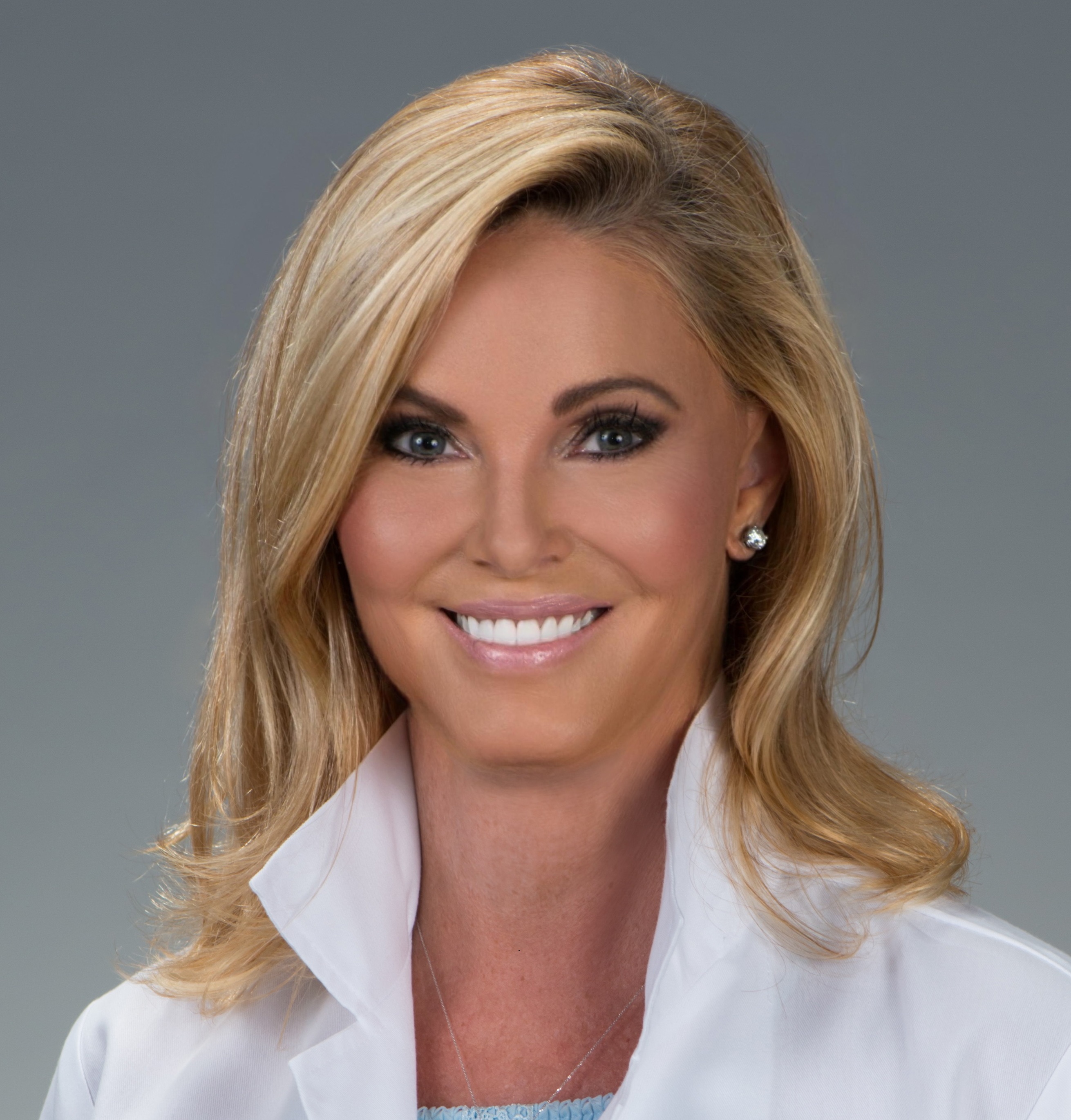
With over 36 years of experience in skincare and beauty, Cassie Boemi has helped thousands of clients improve the appearance and health of their skin. As a Licensed Medical Aesthetician and Skincare Specialist, she carefully evaluates products based on ingredient quality, formulation design, real-world performance, and overall value to help consumers make informed decisions.

Pros
- Contains Biotin,Caffeine Peptides, Amino Acids , Vitamins , Honey, Aloe Vera
- Contains Saw Palmetto, Organic Tea tree, Peppermint, Rosemary and Kernel Oil
- Cleanse the Scalp and Remove Buildups
- Soothes & Refreshes the scalp Thickens & Moisturizes the Hair
- Paraben-free; Sulfate-free; Silicone- free, Gluten free
- Suitable for all hair types
- Safe for color treated hair
- Cruelty-Free
- Dye-free & Fragrance-Free
- High quality Organic ingredients
- balances the pH of the scalp
- Promote Hair Growth & Strengthen the hair follicles
- Made in USA in a FDA Regulated Facility
- Money-back Guarantee & 24/7 Customer Service
Cons
- Not available on Amazon

Pros
- Reduces hair fall
- Gently cleanses the scalp
- Promotes hair growth
- Nourishes the hair follicles
- Provides volume and shine
- Suitable for all hair types
Cons
- Some customers are not satisfied with the speed of the result
- A little bit expensive

Pros
- regulates the pH of the scalp
- Promotes invigoration of hair follicles
- Support healthy growth of hair
- Cleanses without depleting moisture
Cons
- Hair may become dry
- The shampoo has little lather

Pros
- Suitable for all hair types
- Cleanses the scalp
- Reducing hair loss
- Cruelty-free shampoo
- Reduce itching and dandruff
Cons
- strong smell
- Quite expensive
- Lathering up takes additional water

Pros
- Cleanse the scalp
- Provides thicker and fuller looking hair
- Nourishing and strengthening qualities
Cons
- May make hair dry and brittle
- It has sulfate
- for some people the smell may be strong

ETADERM Shampoo & Conditioner for Hair Loss restores lost shine, reduces frizzing, increases density and thickness, combats hair loss, and soothes irritated scalps. The gentle shampoo was created specifically for damaged and color-treated hair to heal damage and maintain hair color.
ETADERM Curly Hair Loss Shampoo & Conditioner is formulated for curly hair experiencing shedding, breakage, and thinning. It helps support a healthier scalp, strengthen fragile strands, reduce the appearance of hair loss from breakage, and maintain softer, fuller-looking curls without weighing the hair down.

Meet Our Reviewing Expert
With over 37 years of experience in skincare and beauty, Cassie Boemi has helped thousands of clients improve the appearance and health of their skin. As a Licensed Medical Aesthetician and Skincare Specialist, she carefully evaluates products based on ingredient quality, formulation design, real-world performance, and overall value to help consumers make informed decisions.


Licensed Medical Aesthetician &
Skincare Specialist
Hair Growth Shampoo & Conditioner Comparison Table
Swipe left or right to view the full table on mobile.
| Product | Best For | Key Ingredients / Approach | Fragrance-Free | Price | Guarantee | Overall Rating |
|---|---|---|---|---|---|---|
| ETADERM | Thinning hair, scalp care, hair strength & fullness | Biotin, Caffeine, Peptides, Saw Palmetto, Aloe Vera, Honey, Peppermint, Rosemary, Amino Acids | ✅ Yes | $35 | 100% Money Back | 98 / 100 |
| Dr. Barbara Sturm | Premium anti-hair-loss routine | Camellia, Larch Extract, Pro-Vitamin B5, Hyaluronic Acid | Check current label | $60 | 100% Money Back | 94 / 100 |
| Shapiro | Thinning hair and DHT-focused scalp care | Caffeine, Green Tea Extract, Saw Palmetto | Check current label | $39.95 | 100% Money Back | 90 / 100 |
| Aveda | Hair strength, breakage support, salon-style care | Botanical and conditioning-focused formula | Check current label | $36 | Check brand policy | 91 / 100 |
| Nioxin | General thinning-hair support | Ingredient blend varies by product | Check current label | See brand site | See brand site | 85 / 100 |
How We Evaluated These Products
We compared these products using the same practical criteria: ingredient quality, formulation design, scalp support, hair feel, ease of use, value, customer satisfaction, and long-term usability. We also considered how each formula fits into a regular hair-care routine rather than focusing only on one highlighted ingredient.
What to Look for in a Hair Growth Shampoo & Conditioner
- Scalp-friendly cleansing: a good formula should remove excess oil and buildup without leaving the scalp overly dry or tight.
- Hair-supporting ingredients: ingredients such as caffeine, peptides, biotin, amino acids and botanical extracts are commonly used in formulas designed for thinning or weakened hair.
- Moisture and conditioning: hair that is dry or brittle can look thinner, so hydration and conditioning matter alongside scalp care.
- Routine compatibility: the best formula is one you can use consistently without making the hair feel heavy, rough or difficult to manage.
- Overall formula quality: evaluate the complete ingredient profile rather than choosing a shampoo based on one marketing ingredient alone.
Why Scalp Health Matters for Thinning Hair
A clean, comfortable scalp creates a better environment for a consistent hair-care routine. Excess buildup, dryness, irritation, and overly harsh cleansing can all make hair and scalp care more difficult. This is why many shoppers now look for shampoos that support scalp comfort while also helping hair feel stronger, fuller and more manageable.
How to Use Hair Growth Shampoo & Conditioner for Best Results
- Focus shampoo on the scalp: massage gently with fingertips where oil and buildup collect.
- Rinse thoroughly: leftover product can make the scalp feel heavy or uncomfortable.
- Use conditioner on lengths and ends: this helps improve softness and manageability without overloading the roots.
- Stay consistent: judge the routine over repeated use rather than one or two washes.
- Track shedding and scalp comfort: if hair loss is sudden, severe or persistent, consult a qualified healthcare professional.
Customer Feedback and Real-World Use
When people compare shampoos for thinning hair, they often care about more than the ingredient list. Common priorities include cleaner-feeling roots, less dryness, improved softness, better manageability, fuller-looking hair, and whether the product is comfortable enough to use consistently.
Final Thoughts
The best shampoo and conditioner for thinning hair should balance scalp cleansing, hair conditioning, ingredient quality and long-term usability. No shampoo can guarantee hair regrowth for every person, but a well-formulated routine can support scalp cleanliness, hair strength, moisture and the appearance of fuller, healthier-looking hair.
ETADERM ranked highest in this comparison because it combines a broad ingredient profile with a shampoo-and-conditioner system designed to support both the scalp and the hair. The other products in this guide may still be better suited to shoppers with different budgets, preferences or ingredient priorities.
Frequently Asked Questions
Can shampoo really help with thinning hair?
Shampoo can help maintain a clean scalp, remove buildup and improve the condition and appearance of the hair. Some formulas also include ingredients commonly used in thinning-hair products. However, the cause of hair loss matters, and shampoo alone cannot address every type of hair loss.
How often should I use a hair growth shampoo?
Follow the product directions and adjust based on your scalp and hair type. Gentle formulas may be suitable for regular use, while stronger treatment products may have different directions.
How long does it take to notice results?
Cosmetic improvements such as cleaner roots, softer hair or improved manageability may be noticed sooner than changes in the appearance of thickness. Individual experiences vary, and persistent hair loss should be discussed with a healthcare professional.
Should I use conditioner if my hair is thinning?
Yes, conditioner can help reduce dryness, improve softness and make hair easier to manage. Apply primarily to the lengths and ends unless the product is specifically designed for scalp use.
What ingredients should I look for?
Many shoppers look for formulas containing caffeine, peptides, biotin, amino acids, saw palmetto, botanical extracts and moisturizing ingredients. The overall formulation and how well your scalp tolerates it are more important than any single ingredient.
When should I see a doctor about hair loss?
Seek professional guidance if hair loss is sudden, severe, patchy, unexplained, associated with scalp pain or inflammation, or continues despite changes to your hair-care routine.
